Back to ARTicles

Comparing Honey Watercolors: Sennelier vs. M. Graham

Comparing Honey Watercolors: Sennelier vs. M. Graham

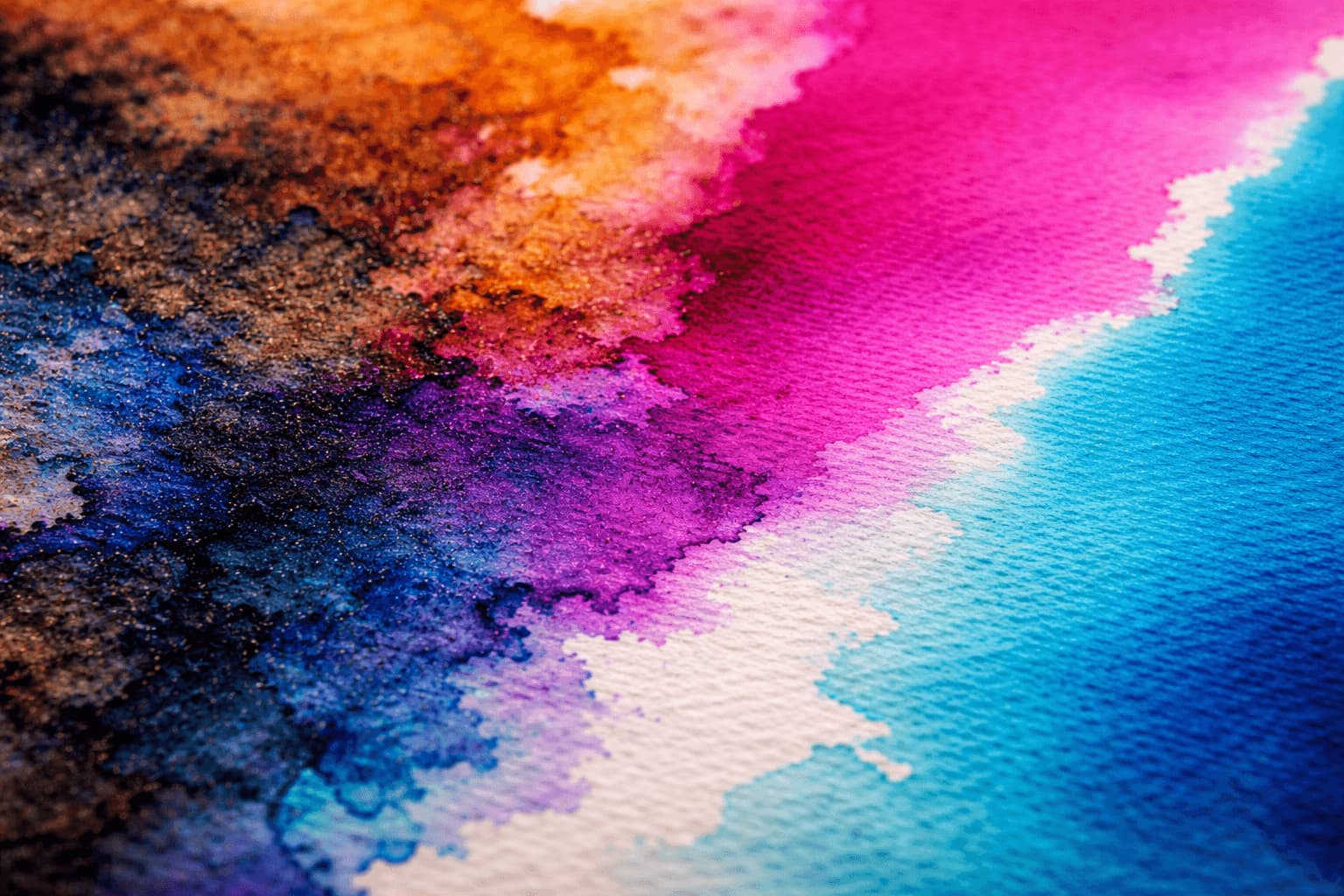
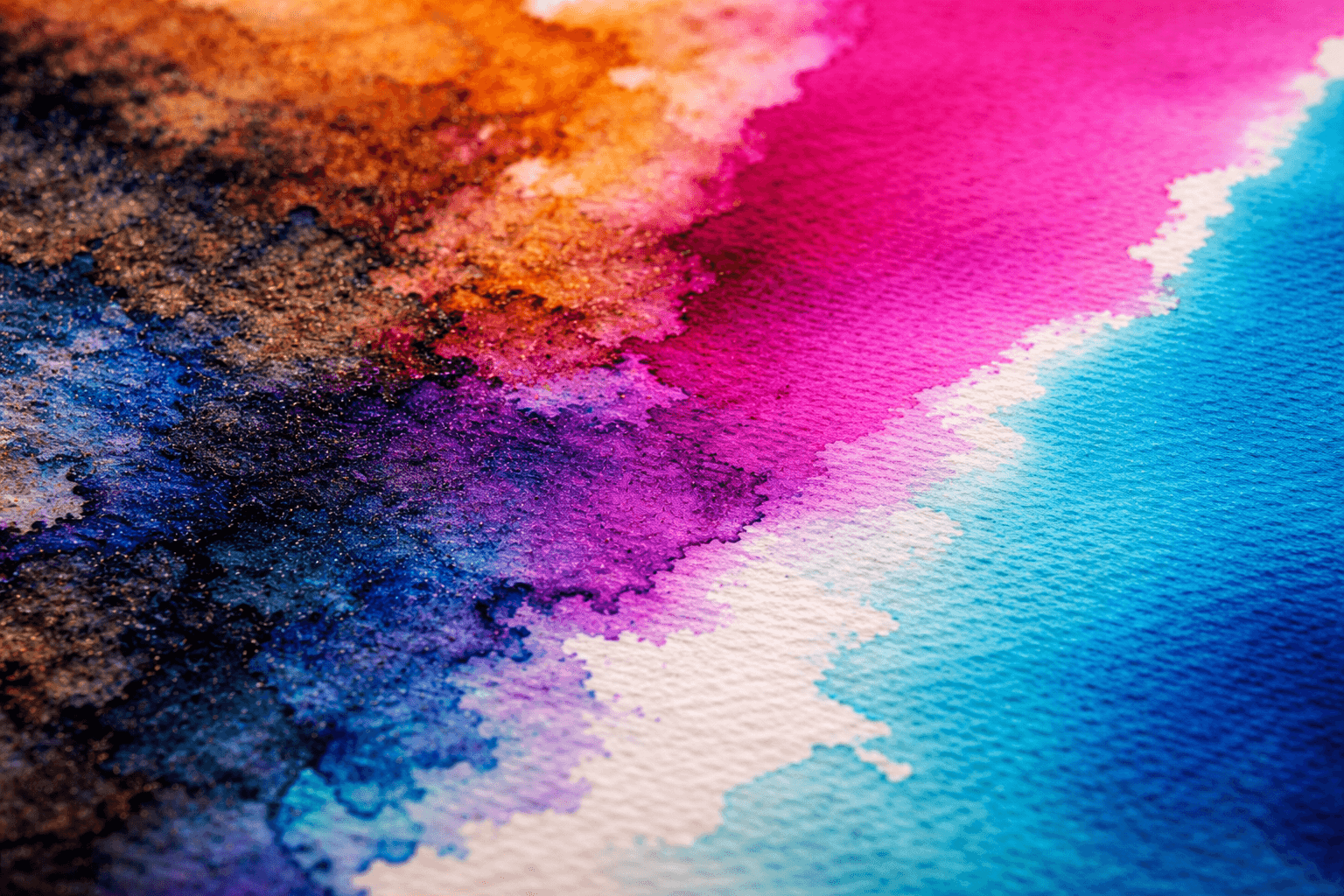
The luminous, impressionistic elegance of Sennelier (left) versus the raw, unapologetic pigment power of M. Graham (right)—both bound by natural honey.

Most professional watercolors use gum arabic as their primary binder, sometimes with a touch of glycerin to help the paint re-wet. However, there is a distinct sub-category of watercolors that use a very different, very historic ingredient: honey.

Honey acts as a natural humectant, meaning it draws moisture from the air. This makes honey-based watercolors incredibly vibrant, smooth, and notoriously sticky. If you are looking to dive into the rich, luminous world of honey watercolors, the choice almost always comes down to the historic French elegance of Sennelier or the modern American powerhouse of M. Graham.


The Philosophies and Origins

Sennelier

Founded in Paris in 1887, Sennelier’s history is deeply intertwined with the Impressionist movement. Legend has it that they formulated colors for Cézanne and Gauguin. Sennelier reformulated their watercolor line years ago to include more honey, aiming to increase the brilliance and luminosity of their paints. Their philosophy is all about capturing the vibrant, sun-drenched light of the French countryside.

M. Graham

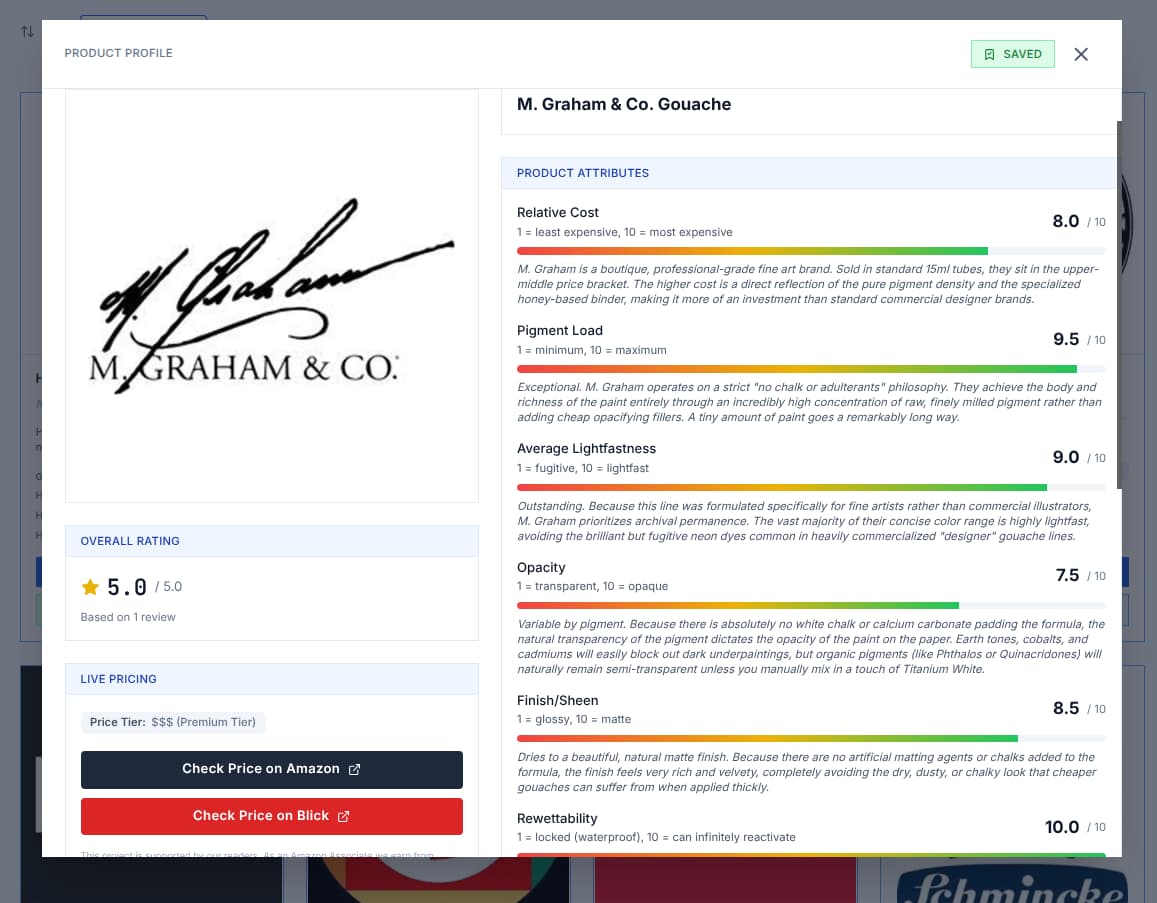
Based in the damp, lush climate of Oregon, USA, M. Graham was founded in the 1990s by artists who wanted to bring back historical Renaissance paint-making traditions. Their philosophy is simple: pack the absolute maximum amount of pigment possible into a binder made of pure blackberry honey and gum arabic. They are renowned for their raw, unapologetic color strength.


Head-to-Head Comparison

The "Travel Palette" Warning

Because both brands use honey, neither of them will ever dry completely rock-hard in a palette the way Winsor & Newton or Holbein will. However, there is a major difference in how soft they stay.

  • Sennelier: These paints will eventually cure to a firm, tacky consistency in a pan. You can comfortably put them in a travel palette, throw it in your backpack, and take it on an airplane without worrying too much about a catastrophic mess.
  • M. Graham: M. Graham uses a massive amount of honey. In humid climates, these paints will not dry. If you squeeze them into a travel palette and turn it sideways in your bag, the paint will slowly ooze out of the pans and mix together into a disastrous puddle. They are spectacular paints, but they are strictly meant for a flat, studio-only palette.

Pigment Load and Vibrancy

  • Sennelier: Sennelier colors are incredibly luminous and bright, but they are generally more transparent and delicate. They excel at glowing, sheer glazes. They are vibrant without being overpowering, perfectly suited for classic French impressionist techniques.
  • M. Graham: M. Graham is a heavy-hitter. Their pigment load is almost aggressively high. A tiny tap of a damp brush will pick up an explosion of color. Because of this density, they are incredibly economical—a single tube will last you a very long time. However, this intense strength means you must learn to use a light hand, or your washes will become too dark very quickly.

Flow and Finish

  • Sennelier: These paints flow beautifully and smoothly across wet paper. Because of their specific honey formulation, they often dry with a very slight, beautiful sheen (especially in darker colors) rather than a dead-flat matte finish.
  • M. Graham: When dropped into wet paper, M. Graham paints explode and disperse rapidly. The honey binder allows the heavy pigment to travel forcefully, creating gorgeous, dramatic wet-in-wet effects. They generally dry with a more traditional matte finish compared to Sennelier.

The Verdict: Which is Right for You?

Choose Sennelier if:

  1. You paint en plein air (outdoors): You want the benefits of a honey-based paint (instant re-wetting and luminous color) but need it to firm up enough to survive in a travel palette.
  2. You love glazing: You prefer building up delicate, glowing, transparent layers without the paint becoming too heavy or opaque.
  3. You want a subtle sheen: You enjoy the slightly glossy, rich finish that Sennelier leaves on the paper.

Choose M. Graham if:

  1. You are a studio painter: You keep your palette flat on a desk at all times and don't need to travel with your paints.
  2. You want maximum color power: You want an incredibly high pigment load where a tiny drop of paint goes a remarkably long way.
  3. You love explosive wet-in-wet: You want dynamic, active dispersion when dropping color onto wet paper.

Final Thoughts

If you live in a very hot, humid climate, Sennelier is the safer bet for a honey-based watercolor. If you live in a dry climate or keep your paints strictly in the studio, M. Graham offers some of the most powerful, economical, and beautiful pigments on the market today.