Back to ARTicles

Daniel Smith vs. Holbein: Which Watercolor is Right for You?

Daniel Smith vs. Holbein: Which Watercolor is Right for You?

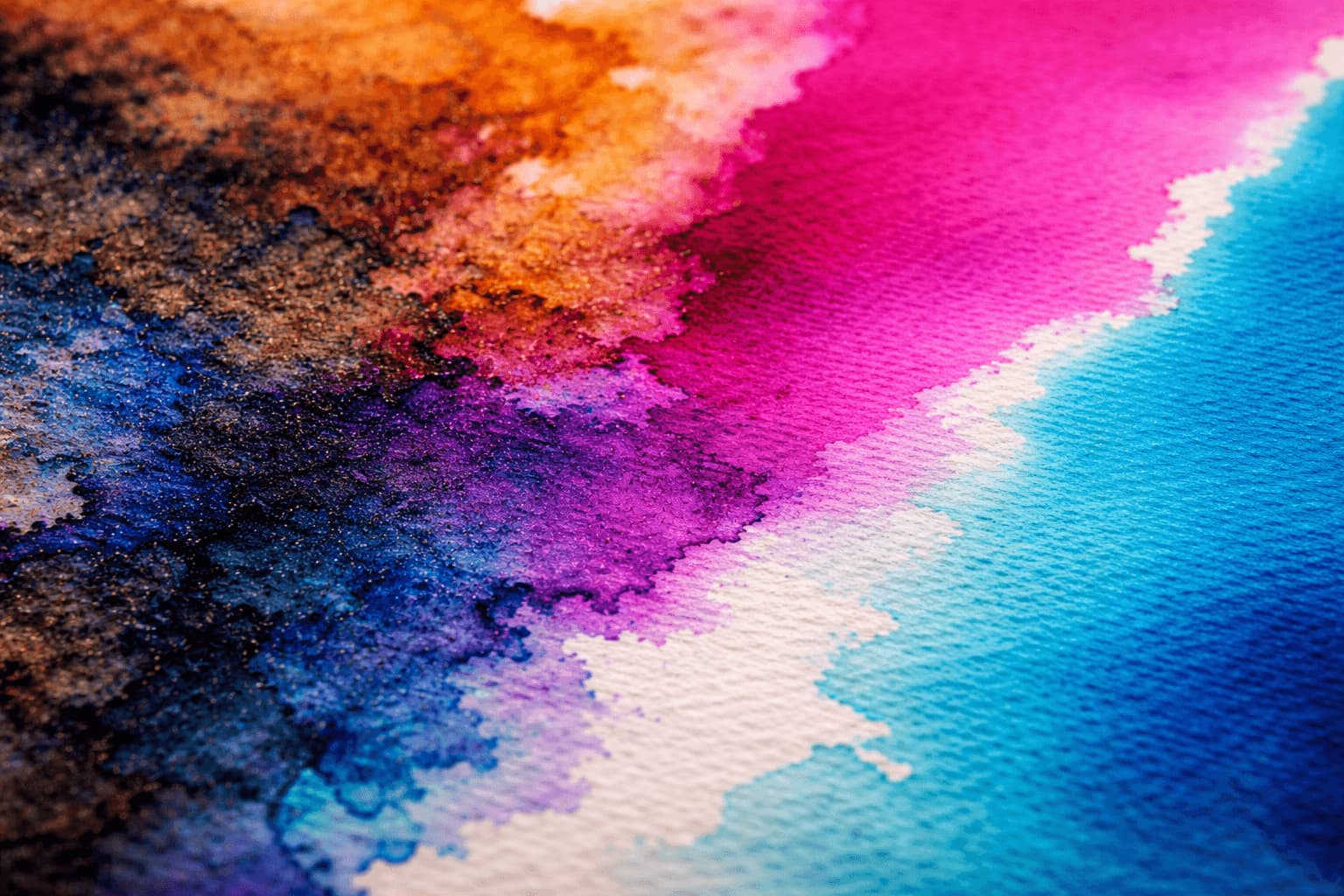
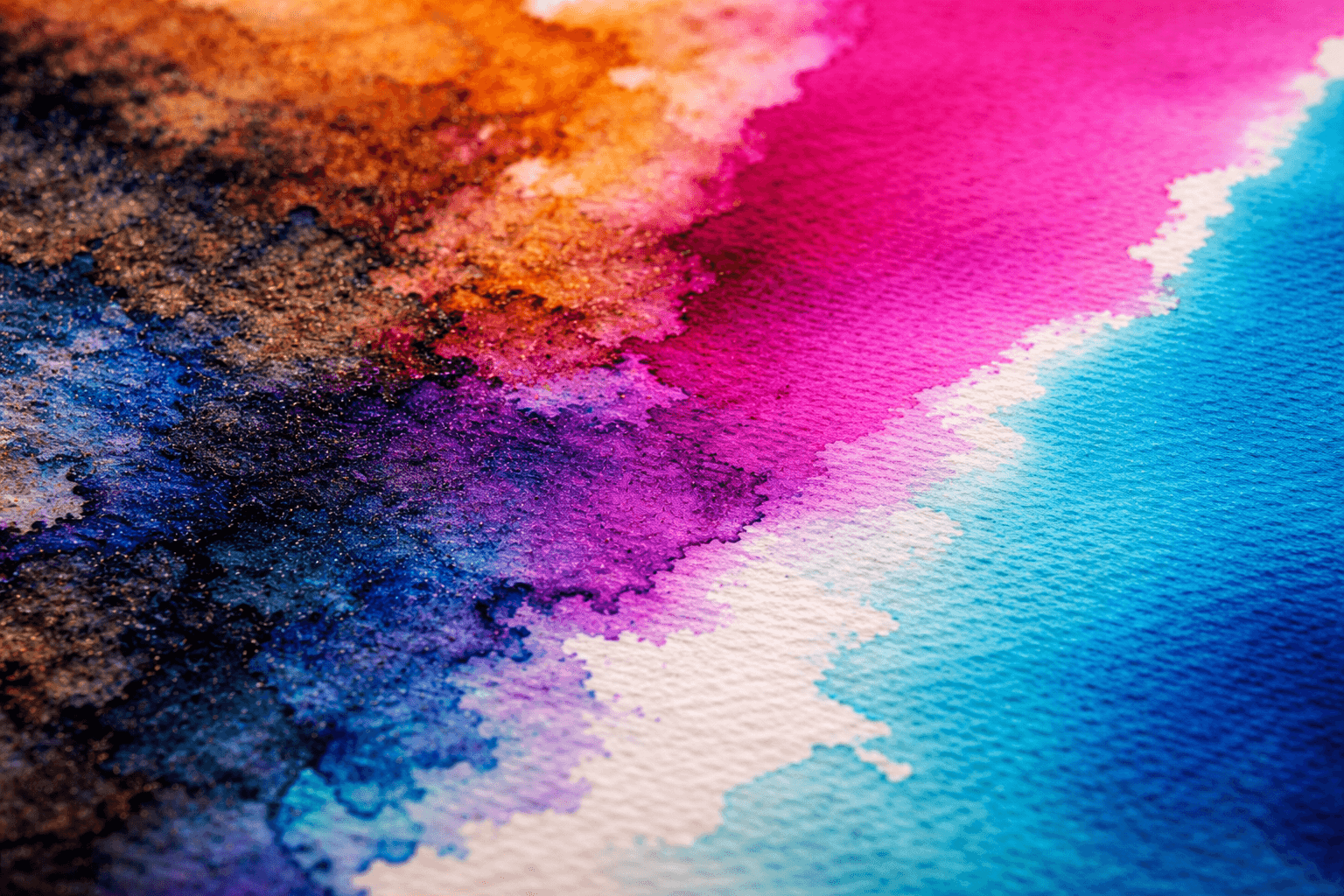
The rugged, earthy granulation of Daniel Smith (left) contrasted against the flawless, brilliant smoothness of Holbein (right).

Choosing a professional watercolor brand is a major milestone for any artist. It represents a financial commitment and a defining choice for your future color palette. Among the "Big Three" of global professional watercolors, Daniel Smith and Holbein are frequently pitted against each other.

Both are exceptional paints, but they are engineered with entirely different philosophies. Understanding these differences is key to finding the brand that matches your artistic style.

Here is a deep dive into Daniel Smith versus Holbein to help you decide which is right for you.


The Philosophies and Origins

Daniel Smith

Based in Seattle, USA, Daniel Smith is a relatively modern company that revolutionized the watercolor world in the 1990s. Their philosophy is rooted in mineralogy and chemistry. They are famous for sourcing unique minerals from across the globe to create paints with natural textures and astonishing granulation. They are the choice for artists who love mineral effects, granulation, and modern pigment innovation.

Holbein

Hailing from Japan, Holbein operates on a philosophy of traditional perfection and intense consistency. Named after the German Renaissance painter Hans Holbein, the brand aims to produce paint that moves and reacts exactly the same way every time you pick up the brush. They are famous for their brilliant colors and, uniquely, for not including ox gall in their formula. They are the choice for illustrators, botanical artists, and those who demand precision.


Head-to-Head Comparison

Texture and Granulation

This is the single biggest deciding factor between the two brands.

  • Daniel Smith: If you love texture, this is your brand. Daniel Smith is the undisputed king of granulation (where pigment particles clump together in the valleys of the paper, creating a textured look). Many of their colors are designed specifically to granulate.
  • Holbein: Holbein paint is engineered to be incredibly smooth. Within their main line, granulation is rare. They aim for flat, brilliant fields of color. If you hate texture and want perfect gradients, Holbein is superior.

Flow and Control (The Ox Gall Factor)

Most watercolors contain ox gall (a wetting agent) that helps paint spread across wet paper.

  • Daniel Smith: Contains ox gall. Their paints have a lively, dynamic flow. When dropped into wet paper, the pigment bursts outwards aggressively, making it excellent for "loose and expressive" techniques.
  • Holbein: Does not include ox gall in the tube. Because of this, Holbein paint moves only where you push it. It has a distinctive "creamy" viscosity and offers the artist ultimate control. It will not "burst" uncontrollably into wet areas, making it ideal for tight, controlled layers and illustration.

Pigment Range and Uniqueness

  • Daniel Smith: Boasts one of the largest ranges in the world (over 250 colors). Their crown jewel is the PrimaTek line—paints made with authentic minerals like Lapis Lazuli, Amethyst, and Jadeite. They also have "Luminescents" and unique mixes like Moonglow and Cascade Green.
  • Holbein: Offers a very balanced, traditional palette of roughly 108 colors. Their uniqueness lies in their extreme vibrancy and transparency. Because they are intended for illustration, their colors are exceptionally pure and bright.

The Verdict: Which is Right for You?

Choose Daniel Smith if:

  1. You love granulation: You want natural rock textures, sediment, and dynamic "earth" effects in your work.
  2. You paint "loose": You enjoy wet-on-wet techniques where the paint does the work, bursting and mixing dynamically on the paper.
  3. You are a landscape or wildlife artist: The PrimaTek and unique mineral mixes are perfectly suited for depicting natural textures like stone, bark, fur, and water.

Choose Holbein if:

  1. You demand control: You are an illustrator, botanical artist, comic artist, or designer who needs sharp edges and perfectly flat washes.
  2. You hate texture: You want smooth gradients and dislike mineral sedimentation ruining your washes.
  3. You prioritize brightness: You want the most vibrant, brilliant color possible and do not mind that the palette is more traditional and less "experimental."

A Note on Mixing

You do not have to choose just one. Many artists (including this author) mix them. You might use Daniel Smith mineral colors for the ground and textured elements of a landscape, and Holbein for the smooth sky and intense, vibrant florals.