Heavyweight Champions: Golden vs. Liquitex Professional Acrylics

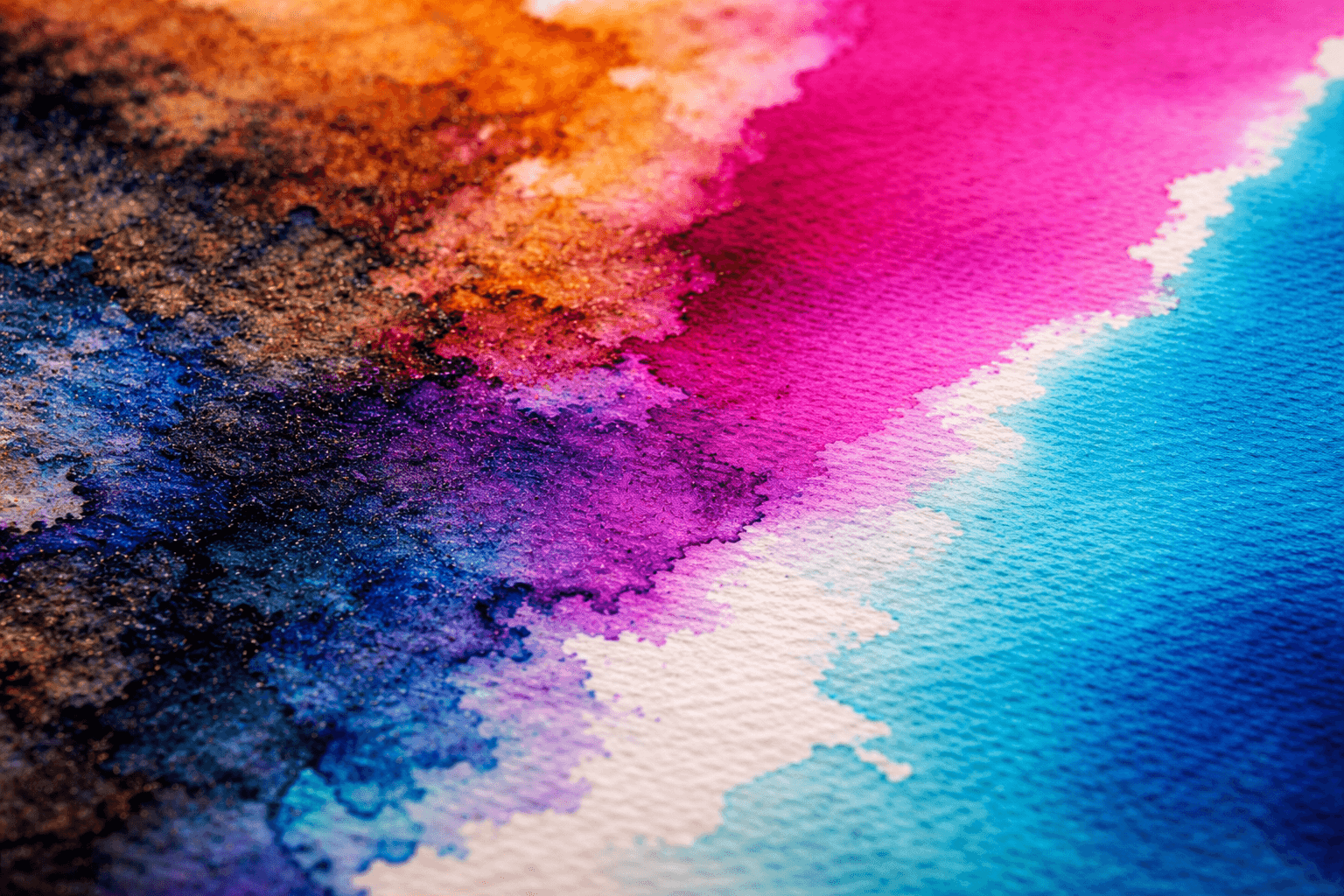
Comparing the sharp, structural peaks of Golden Heavy Body (left) with the smooth, buttery viscosity of Liquitex Professional (right).
When artists make the leap to professional-grade acrylics, they are usually looking for two things: intense pigment load and a thick, satisfying texture that holds brushstrokes. While there are many great brands on the market, the conversation almost always boils down to a choice between the two North American giants: Golden and Liquitex.
Both are phenomenal, archival, and trusted by museums worldwide. But beneath the surface, they are engineered with very different painting philosophies in mind.
1. The Philosophies and Origins
Liquitex (The Inventors)
Liquitex literally invented the first water-based acrylic paint in 1955. Their entire philosophy revolves around consistency, reliability, and versatility. They want their Heavy Body acrylics to feel like a perfectly smooth, predictable, buttery oil paint that happens to dry quickly. If you buy a tube of Liquitex Cadmium Red today, it will behave exactly like the tube you bought ten years ago.
Golden (The Innovators)
Founded in 1980 by Sam Golden (who previously helped develop paints for artists like Mark Rothko and Jackson Pollock), Golden is a company of mad scientists. Their philosophy is all about pushing boundaries. They don't try to make every color behave the exact same way. Instead, they let the unique characteristics of each raw pigment dictate how the final paint feels and dries.
2. Head-to-Head Comparison
Consistency and Texture (The "Feel")
This is the single biggest difference between the two brands, and usually the deciding factor for most artists.
- Golden Heavy Body: These paints are exceptionally thick and stiff. If you pull a palette knife through Golden acrylic, it will stand up in sharp, rigid peaks. It offers massive resistance against the brush, making it the ultimate choice for thick, impasto painting.
- Liquitex Heavy Body: Liquitex is incredibly smooth and buttery. While it holds brushstrokes beautifully, it doesn't have the stiff "drag" of Golden. It spreads effortlessly across the canvas, making it slightly easier to blend on the fly.
Opacity and Finish
- Golden: Because Golden does not add matting agents or homogenizers to their paint, the finish and opacity vary wildly from color to color. Some pigments will dry incredibly glossy, while others dry dead-matte. You are getting the raw, unfiltered nature of the pigment.
- Liquitex: Liquitex engineers their Heavy Body line to be as uniform as possible. While transparent pigments will still be transparent, the overall line dries to a very consistent, beautiful satin finish. You don't have to worry about patchy, uneven glaring on your final canvas.
Packaging
It sounds minor, but packaging matters when you are wrestling with thick paint!
- Golden: Comes in standard metal tubes. They feel classic, but they can be difficult to roll up, and the caps are notorious for getting glued shut with dried acrylic.
- Liquitex: Liquitex uses modern, flexible Glaminate tubes. They are virtually indestructible, you can squeeze every last drop out without the tube cracking, and the extra-wide caps are incredibly easy to twist off even with messy hands.
3. The Verdict: Which is Right for You?
Choose Golden if:
- You are an impasto painter: You want massive, thick, sculptural brushstrokes and palette knife marks that hold razor-sharp peaks.
- You want raw pigment behavior: You prefer the unique, unadulterated quirks of individual pigments over a perfectly uniform line.
- You love mediums: Golden makes the most extensive, mind-bending range of gels, pastes, and mediums in the world to modify their paints.
Choose Liquitex if:
- You want a buttery feel: You prefer a smooth, spreadable paint that glides easily without fighting your brush.
- You want a uniform finish: You want your finished painting to have a consistent satin sheen without having to apply a separate isolation coat or varnish right away.
- You value packaging: You want durable tubes that won't split, leak, or get their caps hopelessly stuck.
Final Thoughts
You cannot go wrong with either. Many professional artists actually keep both on their palette—using Golden for thick, expressive highlights and Liquitex for smooth, effortless underpaintings and blended backgrounds. The choice ultimately comes down to how much resistance you want under your brush!