Old Holland vs. Michael Harding: The Battle of the Oil Giants

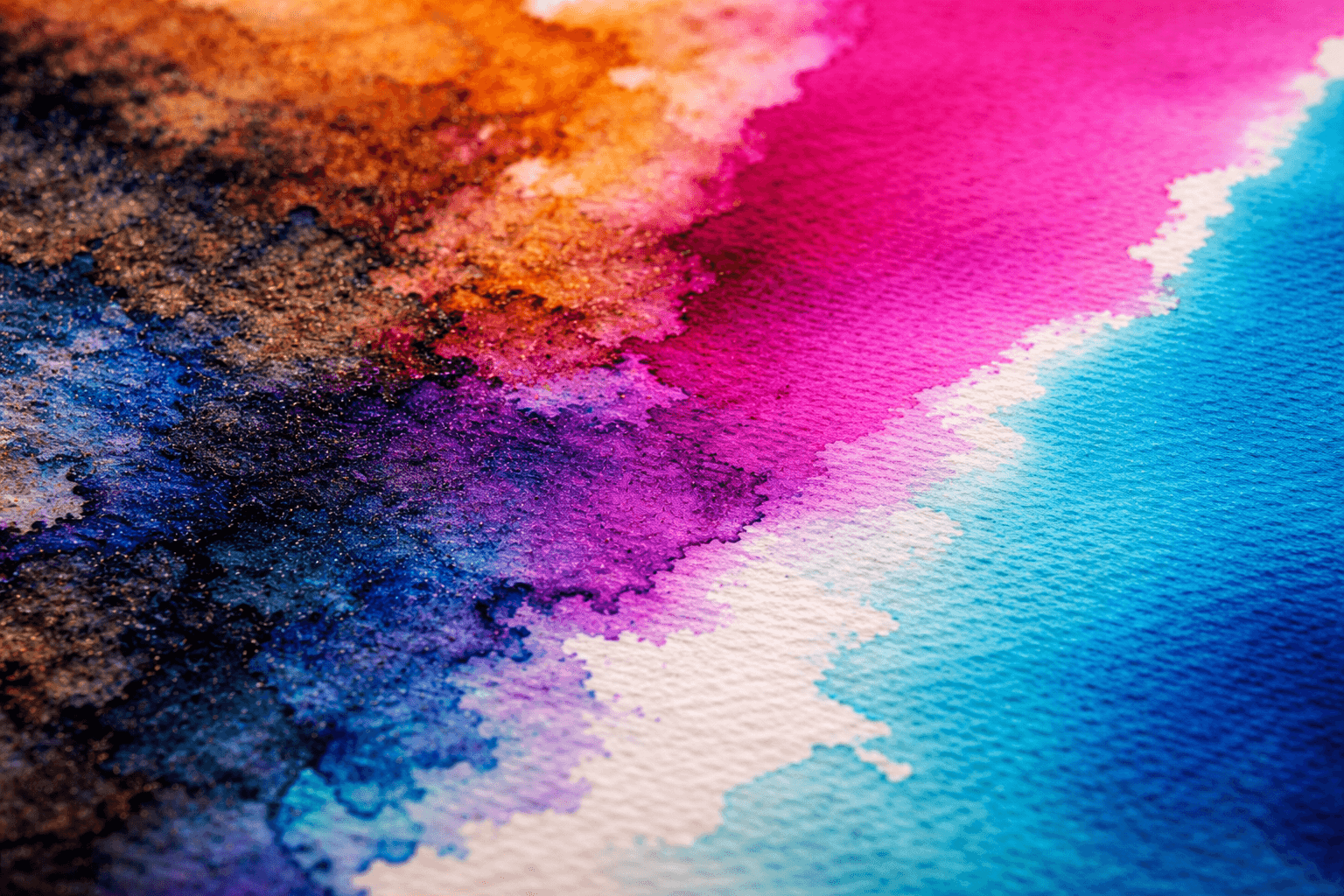
The legendary stiffness of Old Holland (left) vs. the silky, high-pigment creaminess of Michael Harding (right).
For the professional oil painter, the choice between Old Holland and Michael Harding isn't just about color—it's about resistance, history, and chemistry. These are two of the most pigment-dense paints in existence, eschewing the fillers and extenders found in student or even standard professional lines.
While both brands represent the absolute ceiling of quality, they offer two very different experiences for the artist's hand.
Philosophies and Heritage
Old Holland (The Old Master's Tradition)
Established in 1664, Old Holland is the oldest paint factory in the world. Their paints are formulated to replicate the colors used by the Dutch Old Masters. Their philosophy is simple: use the highest possible concentration of pigment and bind it with cold-pressed extra-virgin linseed oil. There are no modern shortcuts here.
Michael Harding (The Modern Purist)
Starting in a London basement in the 1980s, Michael Harding sought to recreate the vibrant, luminous qualities of 19th-century paints. While he shares the "no fillers" mantra of Old Holland, his approach is more "bespoke." He treats each pigment as an individual, adjusting the oil content and grind to achieve a specific, luxurious feel.
Head-to-Head Comparison
Consistency
This is where the two brands diverge most sharply. It is a matter of physical tactile feedback.
- Old Holland: Known for being exceptionally stiff. When you pull a brush through Old Holland, there is a distinct "drag" or "tug." It feels like moving heavy clay. This is ideal for artists who want a rugged, textural impasto that holds every tiny hair-mark of the brush.
- Michael Harding: These paints feel more like heavy cream or soft butter. They are silky and "easy" to move. You get incredible pigment power without the physical workout. This makes them a favorite for portrait artists who need to achieve long, smooth transitions and delicate blends.
Pigment Load and Saturation
- Old Holland: Because they pack so much pigment in, the colors can look almost black coming out of the tube. They are incredibly "tinting-strong," meaning a tiny dot of Old Holland blue will turn a whole pile of white paint blue instantly.
- Michael Harding: Harding is famous for his "vibrancy." His colors often feel more "alive" and luminous. He is particularly renowned for his unique colors like Lapis Lazuli and various Amethysts, which offer a jewelry-like glow that is hard to find elsewhere.
Oil Content
- Old Holland: Because of the extreme pigment-to-oil ratio, you will often see a little bit of clear oil separate in the tube. This is normal for a paint with zero chemical stabilizers. You may need to "massage" the tube or mix it on the palette.
- Michael Harding: Generally more stable in the tube. The paint stays homogenous and creamy, rarely separating, making it a bit more "user-friendly" for those who want to jump straight into painting.
The Verdict: Which is Right for You?
Choose Old Holland if:
- You love texture: You want a paint that stays exactly where you put it, holding sharp peaks and deep grooves.
- You value history: You want to use the same heavy, dense formulations used by the Dutch Masters.
- You want maximum resistance: You enjoy the feeling of "fighting" the paint slightly as you move it across the canvas.
Choose Michael Harding if:
- You want silky blending: You do a lot of soft-focus work, glazing, or smooth transitions.
- You love unique pigments: You want access to rare, luminous colors that look like crushed gemstones.
- You prefer a "ready-to-use" feel: You want a paint that is consistently creamy right out of the tube without separation.
Final Thoughts
Many professional palettes contain both. An artist might use Old Holland for a stiff, textured underpainting or highlight, and Michael Harding< for the luminous, atmospheric glazes on top. In the world of oils, these are the two gold standards.